In this section
In this sectionWith support from EU Civil Protection & Humanitarian Aid, in April 2026, the GPA, NORCAP, Mercy Corps, Last Mile Climate and Mwangaza Light, together with the Turkana County Government, undertook a field mission to Kakuma and Kalobeyei in north-west Kenya to better understand the region’s rapidly evolving energy landscape. What emerged was a clear message: energy access is no longer just a humanitarian service. It is becoming a critical foundation for self-reliance, livelihoods and local economic development.
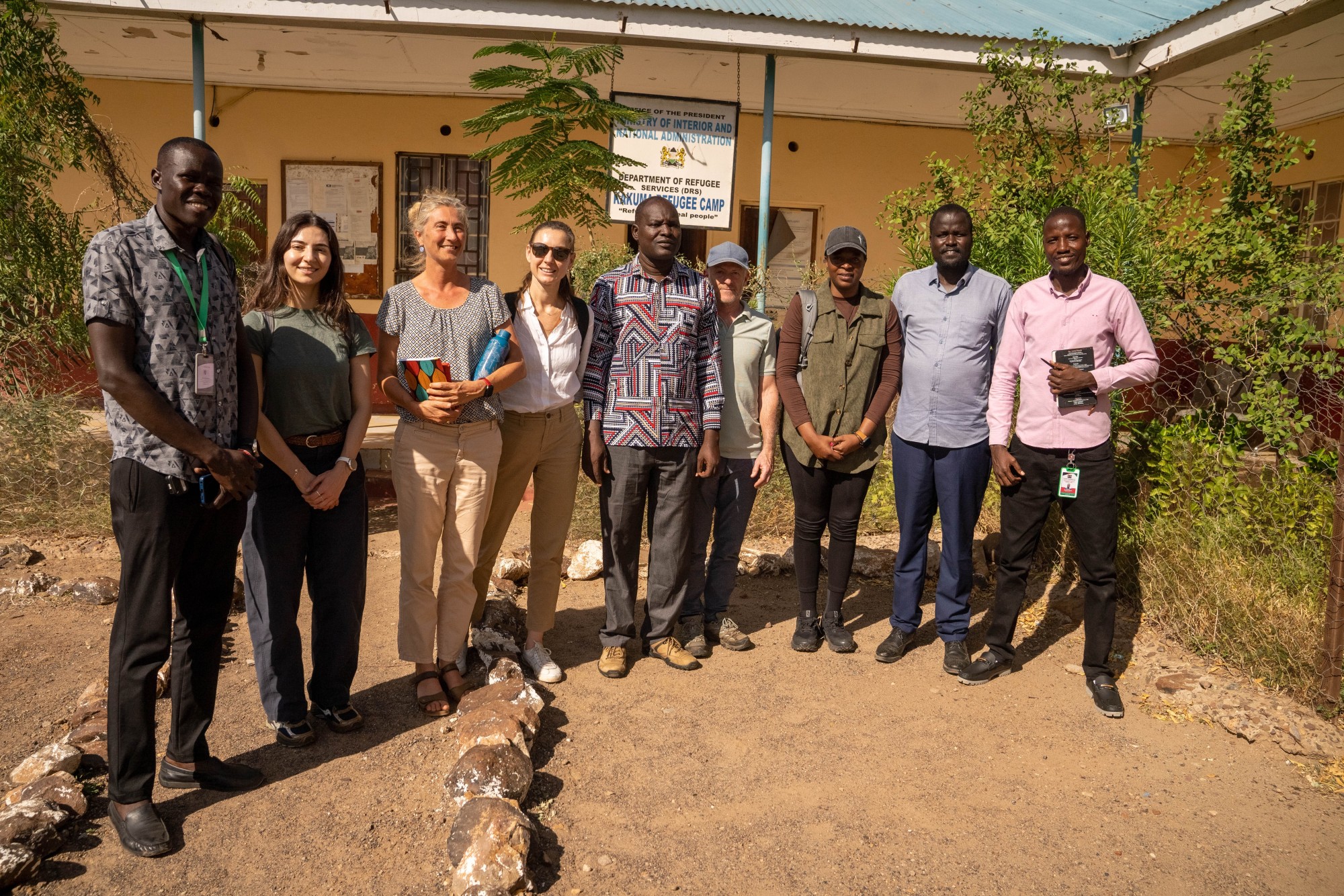
GPA, NORCAP, Mercy Corps, Last Mile Climate and Mwangaza Light with the Turkana County Government representative. Credits: Ayuen Isaac, Last Mile Climate
Home to more than 300,000 people across refugee camps, integrated settlements and host communities, Kakuma and Kalobeyei face significant energy challenges. Around 80–90% of households still rely on biomass for cooking, while approximately 35% have access to electricity, which remains unevenly distributed and often unreliable. Yet despite these constraints, the mission highlighted growing momentum behind more sustainable and market-based energy solutions.
Rise of Private Sector-Driven Electrification
Credits: Ayuen Isaac, Last Mile Climate
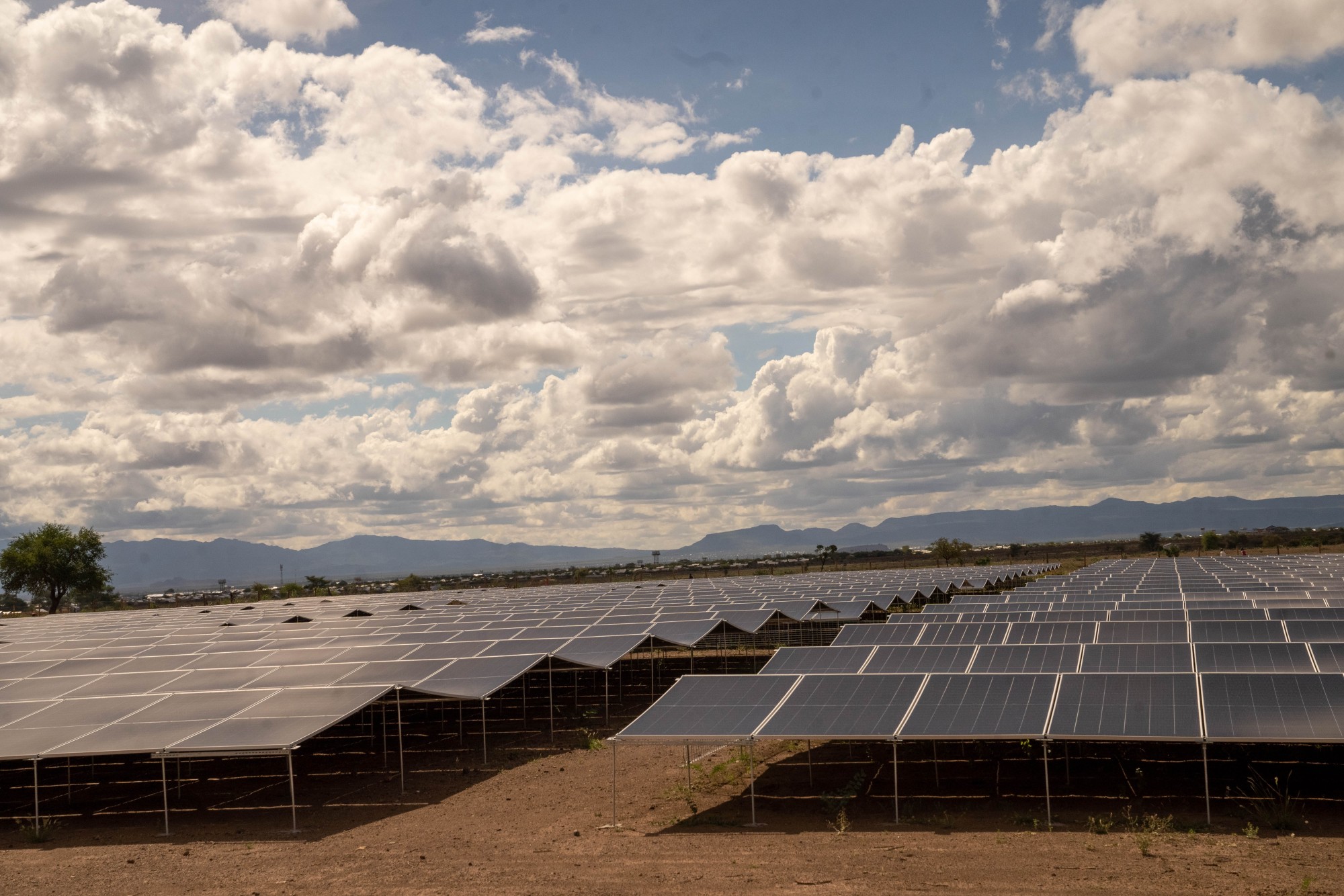
One of the clearest examples is the expansion of private sector-led mini-grids. Renewvia, in partnership with the refugee-led enterprise Okapi Green, is already supplying electricity to more than 3,000 households and businesses, with plans to connect an additional 16,000 users in the coming months. Other private developers such as Kudura are positioning themselves to enter or expand operations in the region. The entry of these diverse operators signals a shift away from isolated pilot projects toward a robust mini-grid ecosystem in the region.
The private sector growth is vital as the existing electricity grid in Kakuma town is unreliable due to multiple challenges with the local utility, and it is presently unclear when these issues will be addressed or when the national grid will ultimately reach Kakuma.
Renewvia reported that electricity demand remains below available supply during peak solar generation hours, creating opportunities to stimulate productive use of energy and electric cooking. This is particularly important in a context where energy access must translate into tangible economic opportunities — from small businesses and digital services to food processing and local enterprises.
Accelerating the Clean Cooking Transition
Clean cooking remains one of the most urgent priorities. Firewood and charcoal continue to dominate, contributing to environmental degradation, health risks and protection concerns, particularly for women and children collecting fuelwood. However, alternative solutions are beginning to gain traction. Households connected to mini-grids are increasingly adopting electric cooking appliances such as induction stoves and EPCs, reporting improved convenience, safety and, in many cases, lower costs compared to purchased charcoal.
Local enterprises are also playing a growing role in the transition. Green at Mind distributes clean cooking stoves through both commercial and household channels, while partnering with Rafiki, a local briquette producer using prosopis sourced from host communities. Organisations like Mwangaza Light and Nyaore Impact are actively championing the shift toward e-cooking, equipping communities with appliances and the technical awareness needed to transition away from biomass.
The Path Forward: Coordination and Integration
What became equally clear during the mission is that scaling energy access will require stronger coordination, funding, and targeted technical assistance. Multiple actors are already working across electrification, clean cooking and livelihoods, but fragmentation risks slowing progress.
Credits: Elif Demir, GPA Secretariat
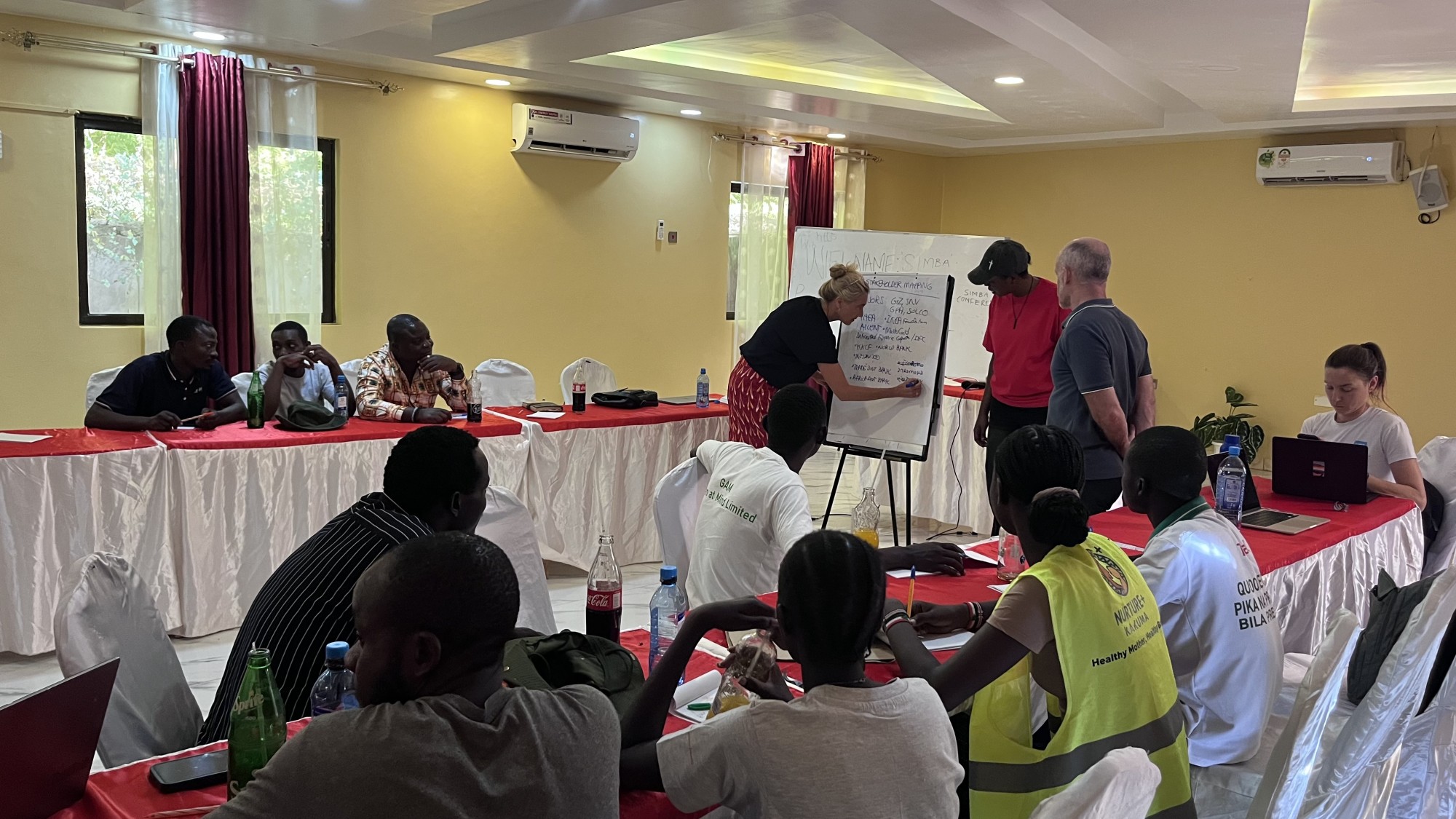
The ongoing revision of the Turkana County Energy Plan presents an important opportunity to align government, humanitarian and private sector efforts around a more inclusive and integrated approach.
Kakuma and Kalobeyei are at a pivotal moment. The infrastructure, entrepreneurial activity and policy momentum are increasingly in place. The challenge now is to connect these pieces through long-term partnerships, financing and coordinated planning. If done well, Kakuma could become an important example of how displacement settings can drive inclusive and sustainable energy transitions.
The Global Platform for Action (GPA) in Sustainable Energy in Displacement Settings is the global initiative accelerating SDG 7 in forced displacement and fragile contexts. The GPA Secretariat, hosted at UNOPS, is advised by key humanitarian and development organisations, and supported by the IKEA Foundation and the European Union’s Civil Protection and Humanitarian Aid Operations (DG ECHO), with in-kind support from NORCAP and the UK Foreign, Commonwealth & Development Office (FCDO) through the Transforming Energy Access (TEA) platform.
Last updated: 19/06/2026