In this section
In this sectionThe UN Decarbonisation Task Team (DTT) is a dedicated platform coordinating UN agencies' efforts to reduce their energy-related emissions and advance sustainable energy solutions across humanitarian, development, and peace operations.
It drives progress in the decarbonisation of on-site energy generation within UN operations and promotes sustainable energy solutions in line with the target of a 45% reduction in UN greenhouse gas emissions by 2030, as outlined in the UN Sustainability Strategy 2020–2030.
Based on the 2025 Greening the Blue report, 44% of the UN systems reported emissions originated from the operation of facilities; out of that total, 46.6% came from Generators. Additionally, the humanitarian sector spends over $100 million annually on diesel generators and fuel to power field operations, generating over 194,000 tonnes of CO2e. Reducing these emissions through investment in cost-effective renewable energy supply and energy efficiency measures is essential for delivering on the sector’s commitments to furthering global climate action and protecting the communities it serves, many of which are living on the front lines of climate change.
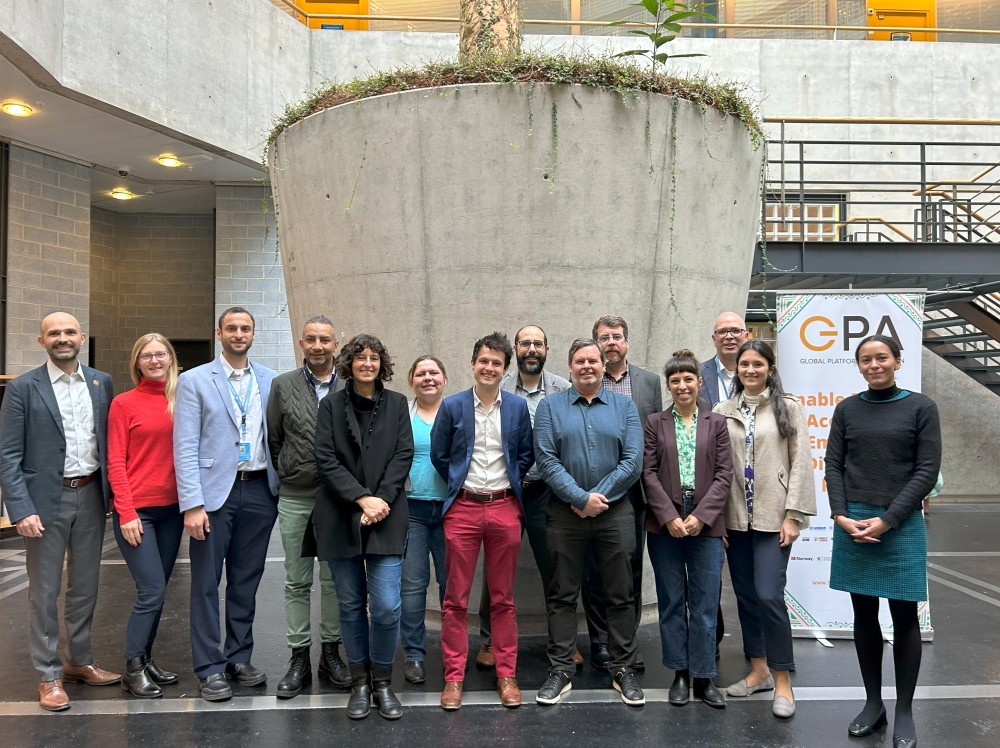
Co-chaired by UNEP’s Sustainable UN Facility (SUN) and the Global Platform for Action on Sustainable Energy in Displacement Settings (GPA), the DTT executes its mandate through five priority areas:
1. Coordination & Knowledge Sharing
- Mapping tools and resources
- Leveraging existing coordination channels
2. Data Cooperation
- Harmonising energy data collection and CO₂e reporting directed under the Greening the Blue initiative.
- Unified study on energy monitoring devices
- Benchmarking and normalising energy data
3. Contractual Cooperation
- Promoting joint procurement initiatives
- Creating a repository of renewable energy contracts
4. Operational Information Sharing
- Maintenance and sustainable solutions
- Mapping solar vendors in targeted regions
5. Greening Energy Finance Cooperation
- Exploring joint financing mechanisms
- Supporting the establishment of revolving funds and carbon taxes
- Promoting energy efficiency initiatives (e.g., generator resizing, LED retrofits)
Membership is open to all UN agencies. Each member should have:
-
Authority to represent their agency’s position.
-
Technical expertise relevant to decarbonisation efforts.
-
Clear knowledge of their agency’s decarbonisation initiatives and priorities.
Members convene quarterly and, if necessary, on an ad-hoc basis to convene thematic, region-specific, and field-focused sessions. Each member agency is asked to designate a regular representative. Members are invited to include additional agency experts and field staff in relevant activities upon request.
The DTT also seeks active collaboration with INGOs and other partners with relevant experience and a shared commitment to our mission. Collaboration is welcome through activities such as joint hosting of in-person and online advocacy events, development of knowledge-sharing products, and exchange of relevant expertise.
The DTT forms additional sub-groups on relevant thematic topics based on member needs and interests. Current sub-groups include:
- Power Consumption Measurement Meters (PCMM) Working Group – led by UNDP.
- Meeting frequency: Quarterly (second Tuesday of the third month), 15:00–16:00 CET.
- Communication channels: Email lists, shared folders, and MS Teams
- Outputs: Meeting minutes, presentations, and shared resources distributed via agreed channels.
- March 2025 Inaugural Meeting: Introduced ToRs, clarified scope, and agreed on forming sub-groups.
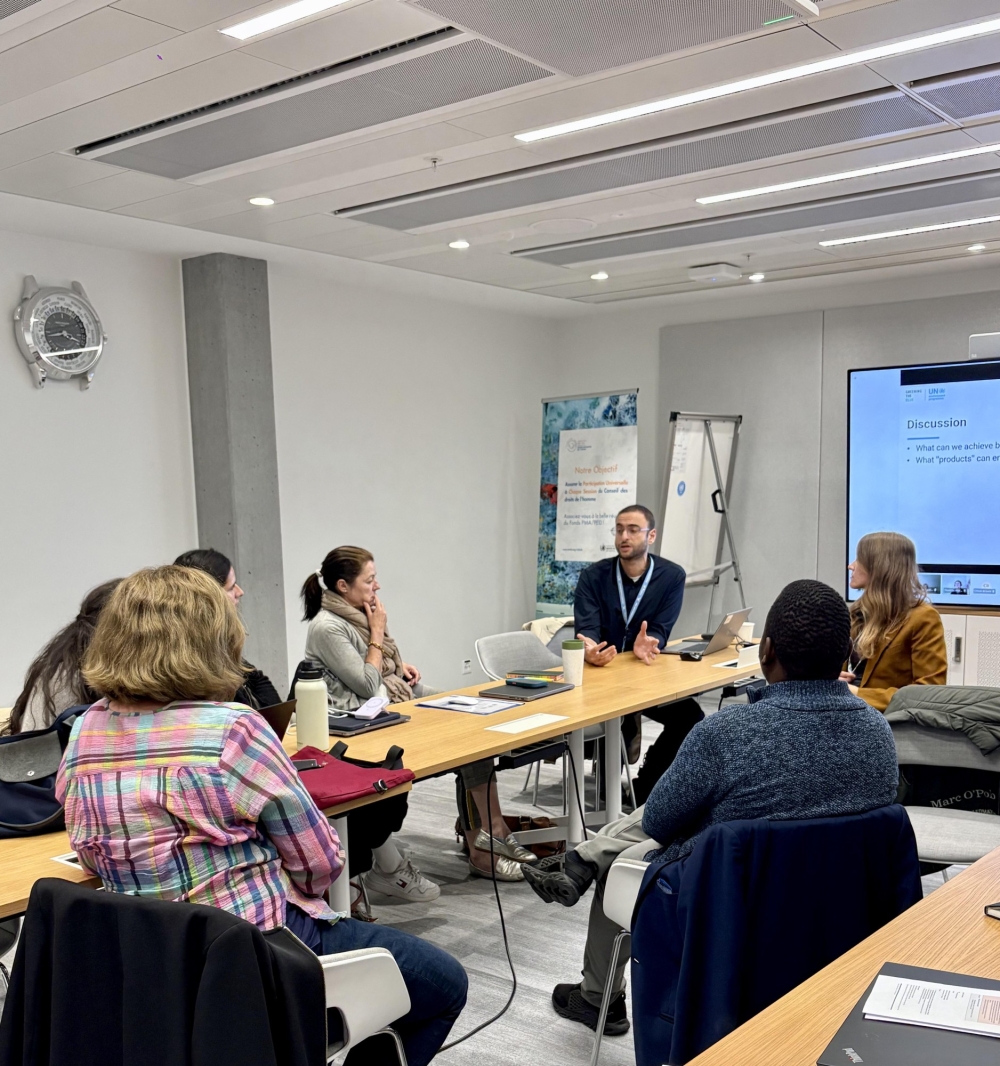
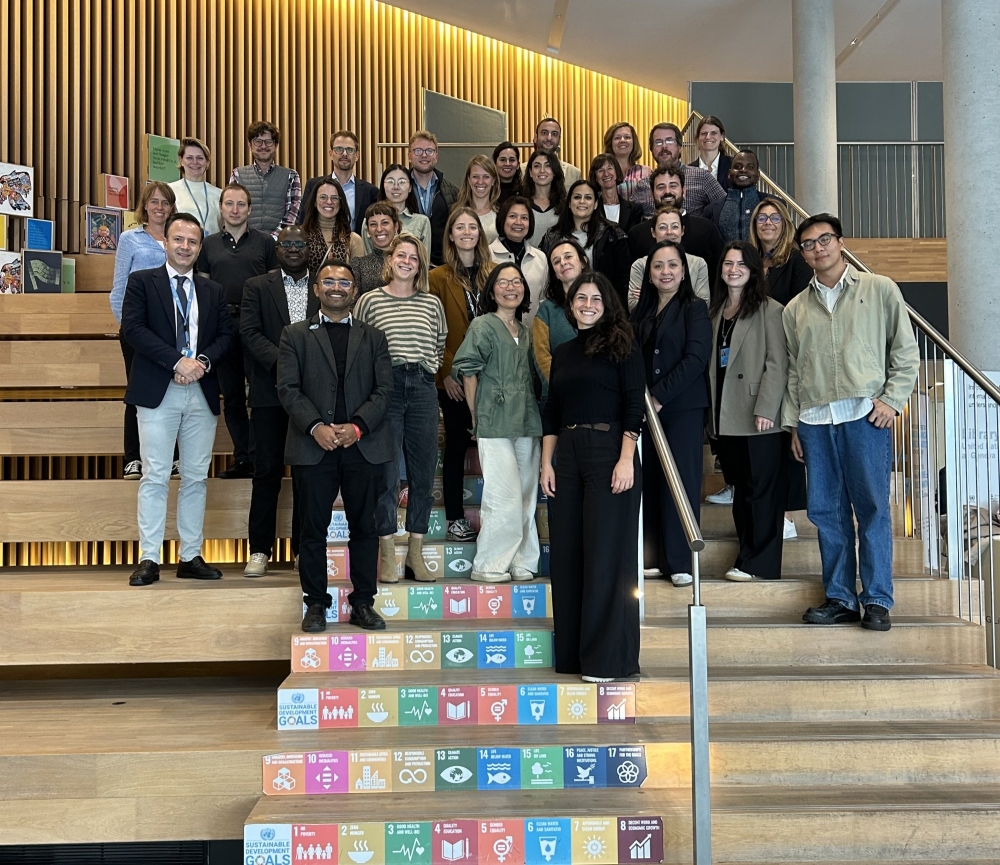
- In March 2025, the DTT hosted a session on decarbonisation during the Humanitarian Network and Partnership Week (HNPW) in Geneva, and a workshop the same day, attended by UN entities, INGOs, coordination bodies, and donors, both in person and online.
- The workshop produced a report titled “State of Greening Humanitarian Energy Supply in 2025” and identified five key priority areas for the sector.
- June 2025 Joint Session: Consolidated workshop outcomes, finalised focal points for priority areas, and endorsed action point prioritisation.
- October 2025 Meeting: Reviewed progress, hosted a thematic session on sustainable O&M for solar systems (SELCO Foundation), and launched a project pipeline for generator replacement and energy access by the GPA and Access to Energy Institute (A2EI).
- December 2025 Meeting: End-of-year session, focused on collaboration and overview of the year’s activities, hosted a thematic session on energy metering, and monitoring dashboard.
Session on decarbonisation during the Humanitarian Network and Partnership Week (HNPW) 2025.
To inquire about the DTT’s activities, membership, and opportunities for collaboration, contact:
Jacob Halcomb – Programme Officer, UNEP
- Email: jacob.halcomb@un.org
Yanal Almadanat – Decarbonisation Lead, GPA
- Email: yanala@unops.org
Last updated: 30/04/2026