In this section
In this sectionThe need for durable off-grid electricity solutions
Access to modern energy services in Mozambique remains critically low, with some sources estimating that less that 10% of households in rural areas have access to electricity. This presents a significant market opportunity but there is an urgent need to promote the adoption of decentralised renewable energy solutions, particularly solar technologies.
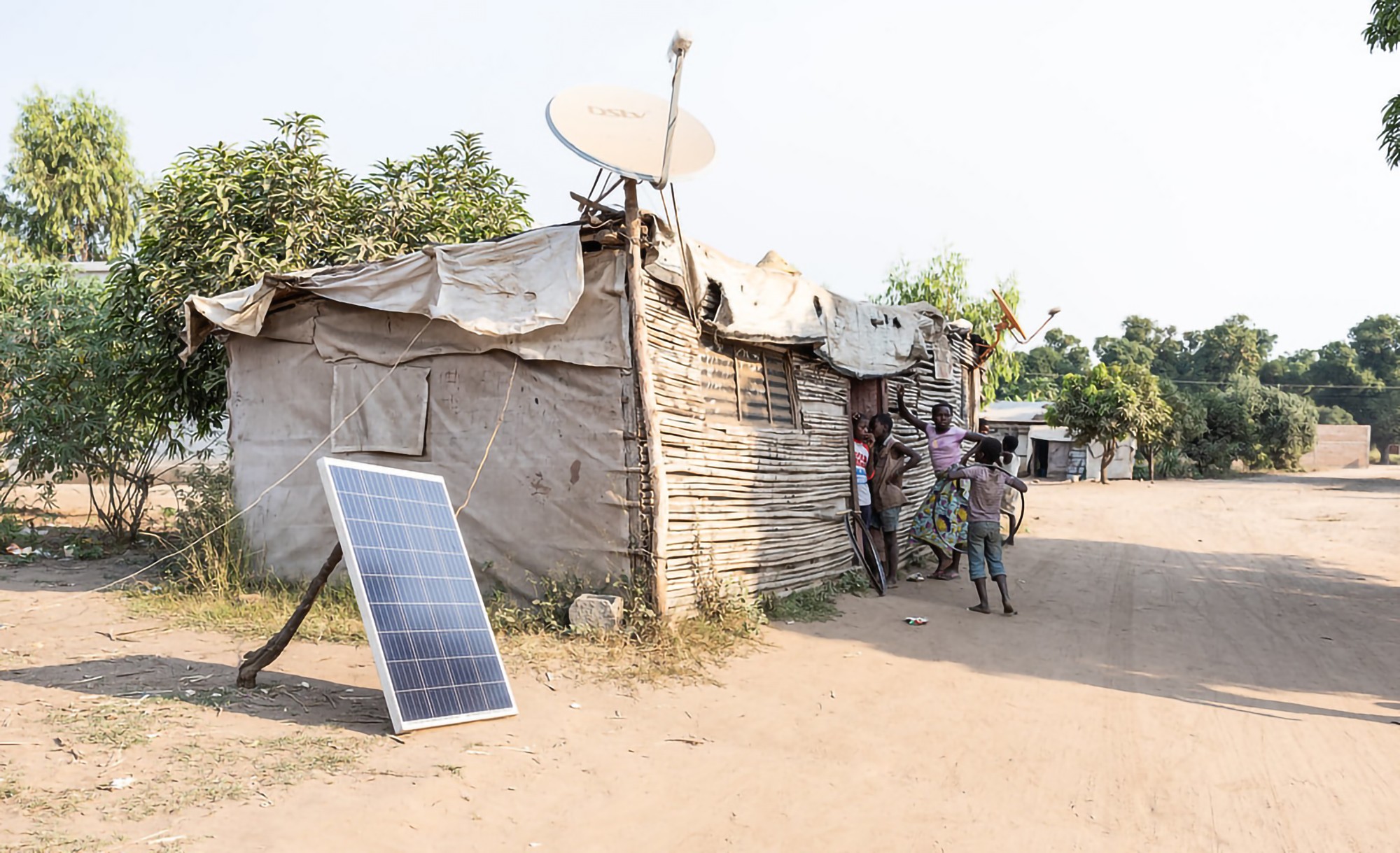
The current market for solar pico-products and solar home systems (SHS) is largely dominated by informal trade. Vendors often supply low-cost equipment (as little as $50) but these are often of substandard quality, whilst certified and higher-quality alternatives in the formal market typically cost around $125. The widespread circulation of low-performance technologies undermines consumer trust and limits the long-term sustainability of solar adoption.
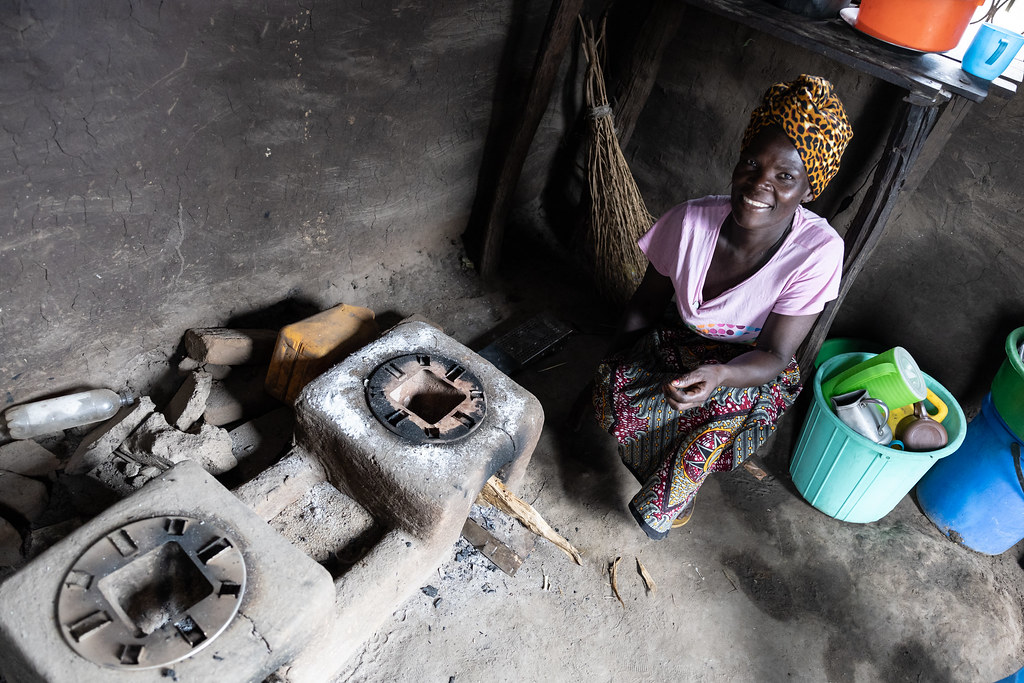
The challenges associated with solar products permeate into displacement settings. Humanitarian and development interventions have implemented a range of solar energy solutions (including solar water pumps, solar lamps, and solar-powered refrigeration systems) and, while they have significant potential to address urgent energy needs, their performance and durability have frequently been proven inadequate.
© IOM Mozambique
Many displaced persons consistently express the need for more durable energy solutions, such as mini-grids with sufficient capacity to address their long-term energy requirements. However, mini-grid implementation comes with high costs and longer deployment timelines, which makes them less feasible as an immediate response.
Consequently, SHS are more commonly distributed as they are generally appropriate for households with limited electrical appliances. Nevertheless, challenges arise when displaced individuals attempt to expand their energy use, particularly those seeking to initiate or sustain income-generating activities. The limited capacity of SHS often proves inadequate for business-oriented applications, constraining livelihoods opportunities and economic resilience.
Problems with solar products in displacement settings
In many cases, solar devices distributed in displacement contexts have short lifespans and limited reliability, leading to premature breakdowns and frequent replacement requirements. This has resulted in disappointment and skepticism among displaced communities, who begin to perceive solar technologies as unreliable and ineffective for their long-term energy demands. Such experiences undermine confidence in renewable energy solutions, weakening their acceptance as viable alternatives to conventional energy sources.
An illustrative example of these challenges was provided at the READS workshop by a resident of the Savane resettlement site in Sofala Province. She highlighted the critical importance of reliable energy access for displaced families, and that without sustainable energy solutions it becomes increasingly challenging to meet essential daily needs.
She shared that the solar products distributed to her household were initially used for lighting, mobile phone charging, and cooking. However, within six to nine months of regular use, the systems began to deteriorate; particularly the batteries, which she identified as the first component to fail.
She emphasised that the storage capacity of the batteries gradually declined to the point where they could no longer serve their intended functions. She described the processes to acquire a replacement kit or seek repair services as time-consuming and difficult, especially in resettlement settings where access to technical support and financial resources is limited.
Challenges for the private sector
In contrast to the concerns raised by end-users, at the READS workshops the representatives of the private sector highlighted challenges related to the misuse of solar systems by displaced populations. According to one company’s experience, many users fail to adhere to the operational guidelines provided at the time of distribution or installation. This improper use often contributes to the premature degradation and reduced lifespan of the equipment.
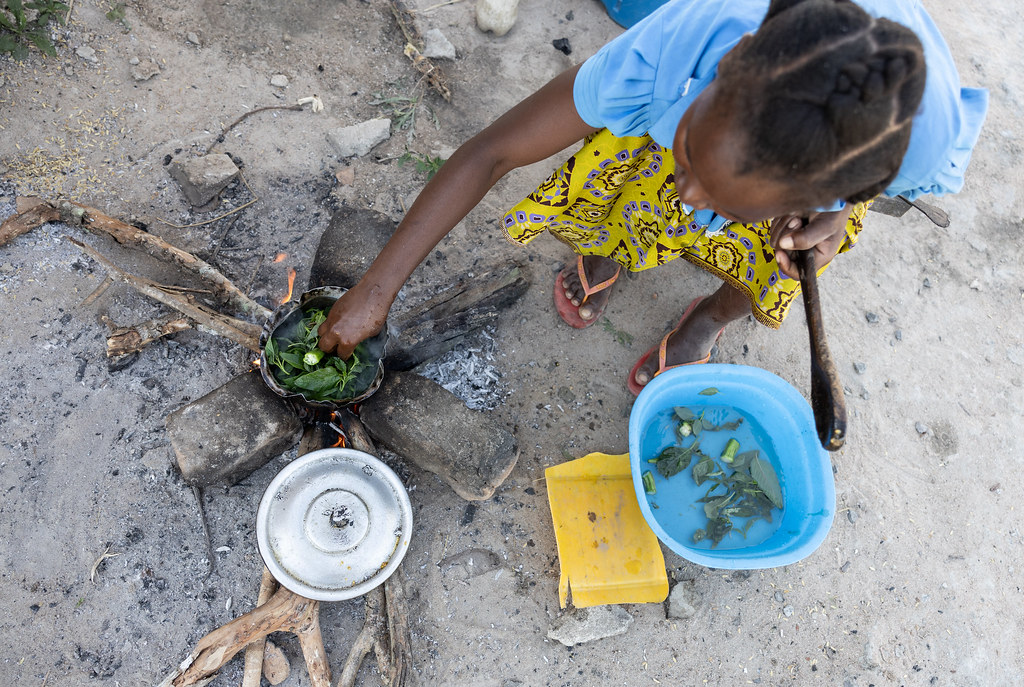
A recurrent example cited by companies is the tendency of households to connect appliances for lighting and cooking that exceed the capacity of the systems. This results in overloading which accelerates battery wear and can cause system malfunction. These practices illustrate the importance of user training, continuous community sensitisation, and after-sales support mechanisms to ensure that solar technologies are used effectively and sustainably.
Observed across various displacement centers, this has contributed to an erosion of trust between beneficiaries and the stakeholders involved in energy provision. When displaced people perceive that energy solutions are short-lived and insufficient to meet their immediate and priority needs, they have reduced confidence in any future energy interventions.
© IOM Mozambique
Opportunities to improve long-term electricity access
There are several opportunities to help overcome these challenges. Key entities in Mozambique’s energy sector – especially the Energy Regulatory Authority (ARENE), the National Fund for Rural Electrification (FUNAE), and Electricidade de Moçambique (EDM) – could collaborate to establish a comprehensive quality policy for solar products. This would provide confidence to both end users and to investors in renewable energy sector.
Regular consultation and awareness-raising sessions could be conducted to strengthen knowledge in displaced communities about renewable energy and the correct use of solar products. These would ensure that end users are well-informed about the limitations and capabilities of solar technologies and promote behavioural change towards more sustainable energy practices. Furthermore, community dialogues can foster transparency and encourage feedback.
This could lead to the development of robust communication channels between the communities and local energy committees, and between the committees and solar product suppliers. Such a mechanism could help to report technical failures, coordinate repair services, and provide a platform for suppliers to disseminate guidelines on product use. Strong communication links also build trust, improve service delivery, and reduce the frustration often expressed by beneficiaries when problems remain unresolved.
© IOM Mozambique
To support the longevity of energy equipment, members of the displaced community could directly manage funds and financing mechanisms for the repair and replacement of solar devices and accessories. These could be financed through small household contributions, business revenues, or external support from donors and NGOs. Localising financial responsibility could give displaced populations a greater sense of ownership and accountability, while also making resources are available for urgent repairs or replacements according to community priorities.
Finally, training local technicians in displacement to handle basic maintenance and repair services would reduce the dependence on external providers, lower repair costs, and minimise downtime. This approach also fosters skills development and income-generating opportunities, contributing to livelihood improvement alongside energy access. To encourage a more sustainable and competitive solar energy market in Mozambique, it is imperative to promote capacity-building initiatives, including lectures, seminars, and training courses. Capacity-building initiatives could also involve informal vendors, enabling their integration into the formal market and enhancing their awareness of solar product quality standards and policies.
This blog post is written by Tevine Gregório Eugénio, Associate Researcher at UNITAR/GPA. Learn more about the READS programme here.
Last updated: 02/02/2026