In this section
In this sectionThe GPA Secretariat and Mercy Corps, supported by UNHCR and funded by EU Civil Protection & Humanitarian Aid and the IKEA Foundation, travelled to South-West Uganda to evaluate opportunities and barriers for improving access to sustainable energy. Visiting three settlements – Kyaka II, Rwamwanja, and Nakivale – the team saw how electricity access and clean cooking are scaling up in different ways and with different levels of success.
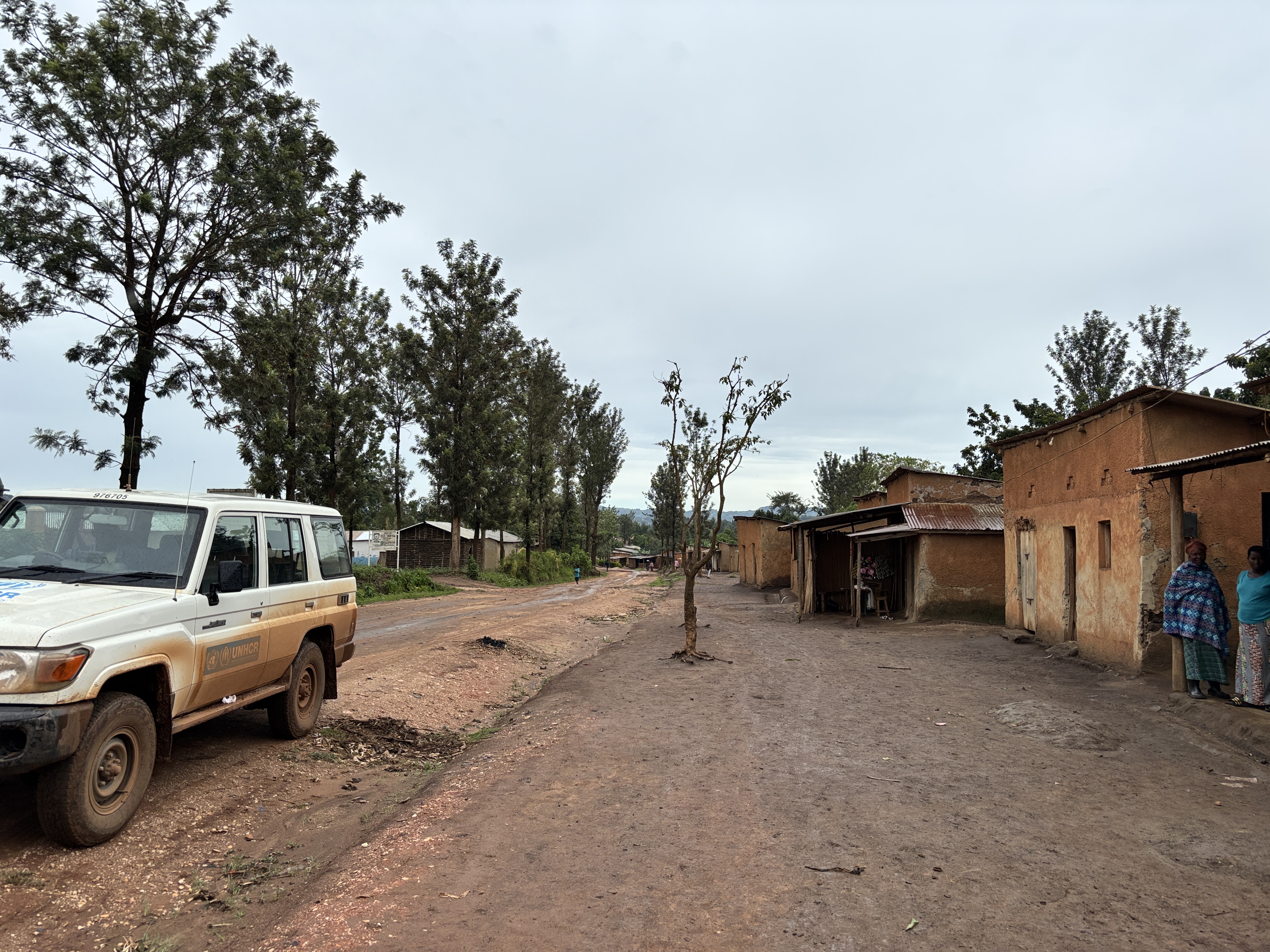
Kyaka II. Credits: GPA UNOPS
One-stop shops for solar systems
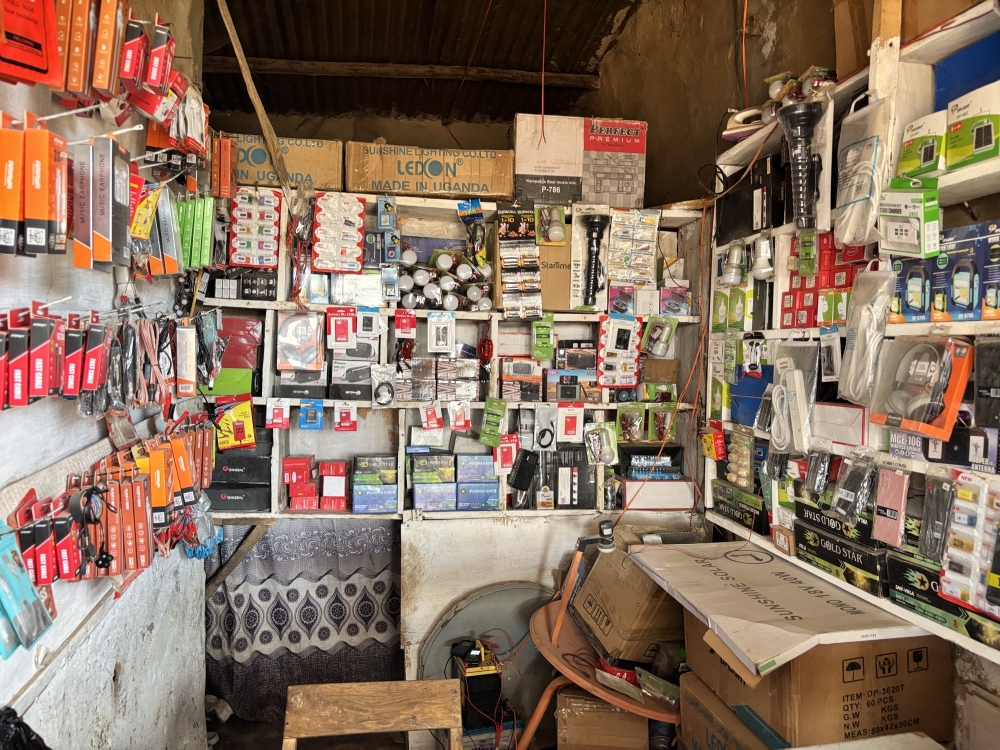
Each settlement has marketplaces with well-stocked electronics shops that sell solar panels, batteries, and appliances like radios and speakers. Retailers offer complete solar systems in various sizes to suit different budgets and needs for homes or businesses, as well as installation services, and source their stock from Kampala or nearby Mbarara.
These systems were far more common than the integrated units that are manufactured and sold by international solar home system companies. This could be because they are cheaper and more readily available in the local areas, but they do not come with the same quality checks and verifications that major retailers offer.
Although household electricity access remains at a small scale, the market is currently driven by affordable, accessible solar products. Balancing customer preferences and affordability against quality and durability will be key to supporting future market systems for increased electricity access.
Electronics on sale in the settlements:
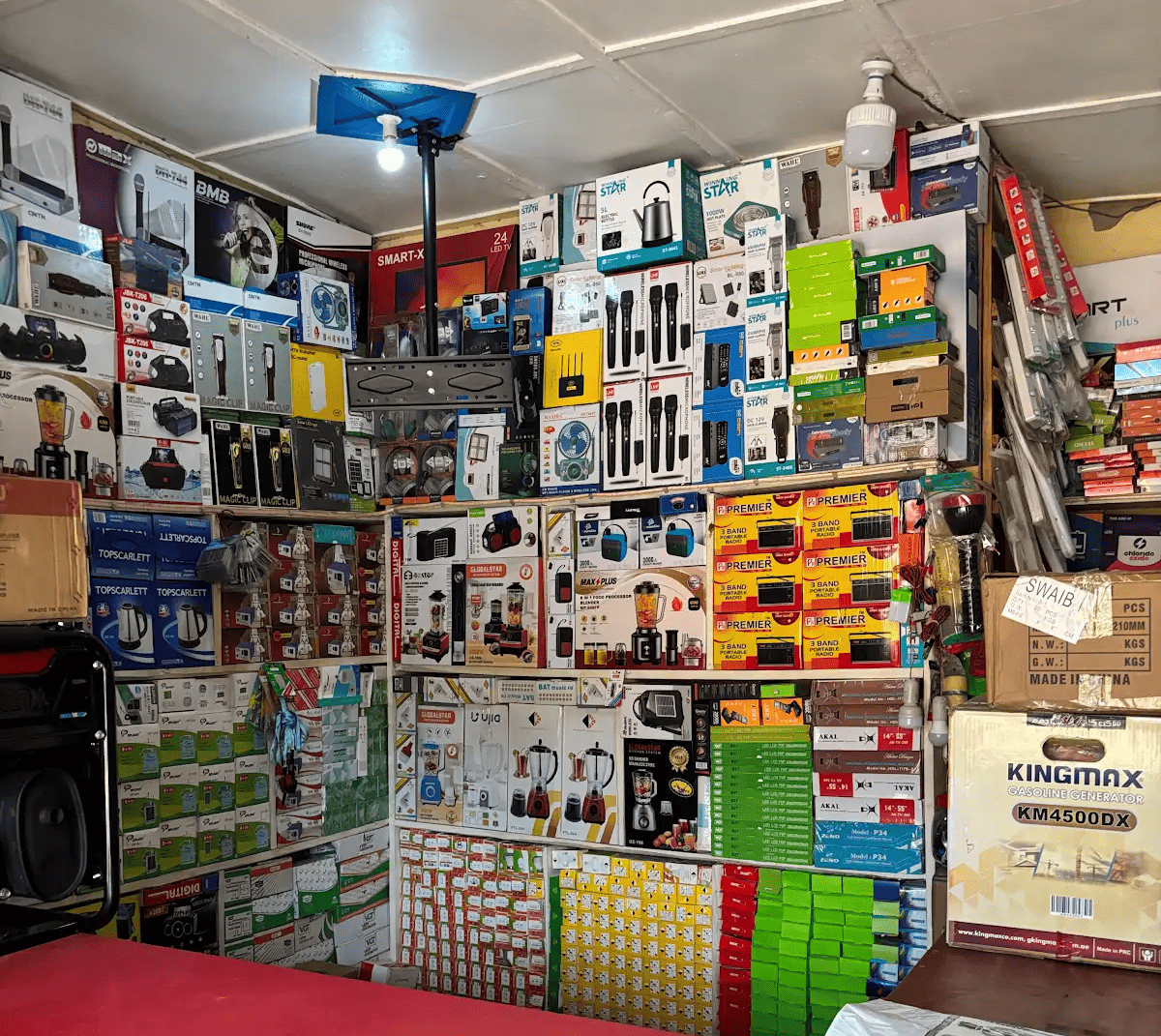
Image 1: Nakivale - New Congo market solar shop. Credits: GPA/UNOPS
_-_solar_shop.JPG)
Image 2: Bukere market (Kyaka) solar shop. Credits: GPA/UNOPS
Local leadership for domestic clean cooking
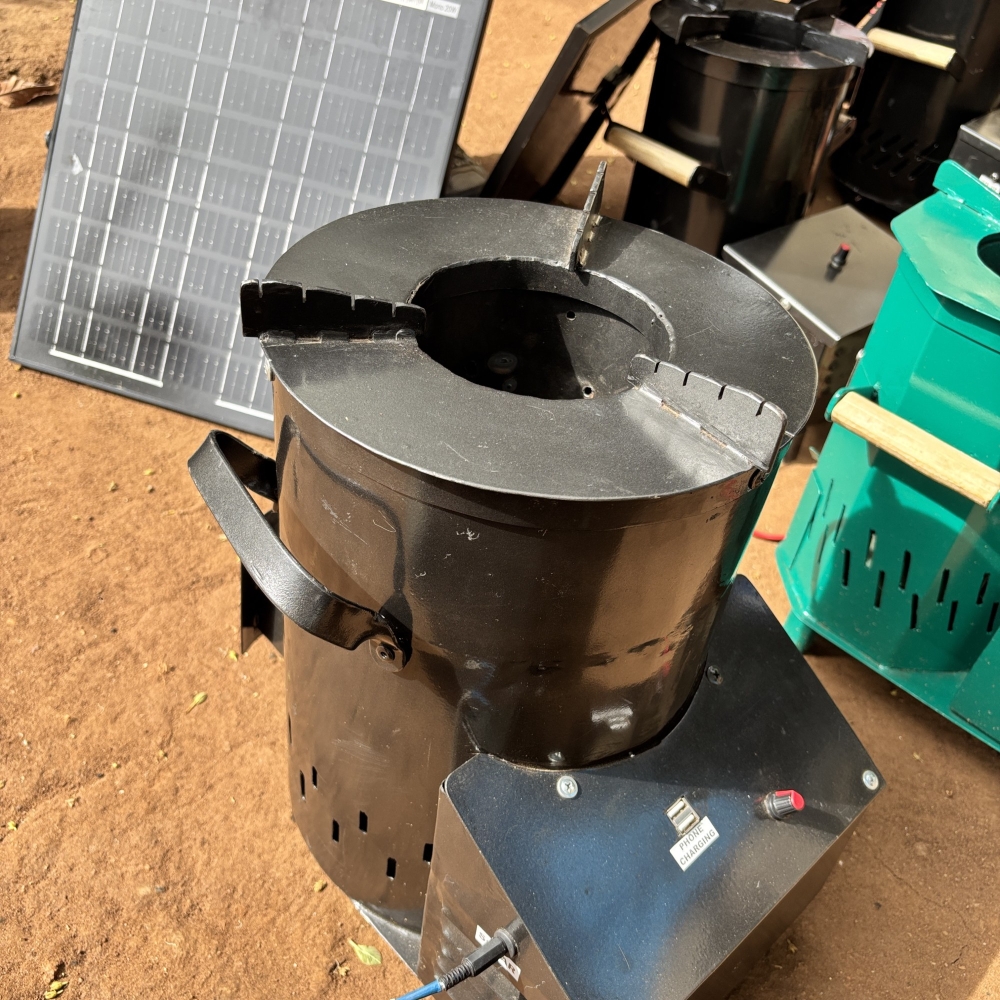
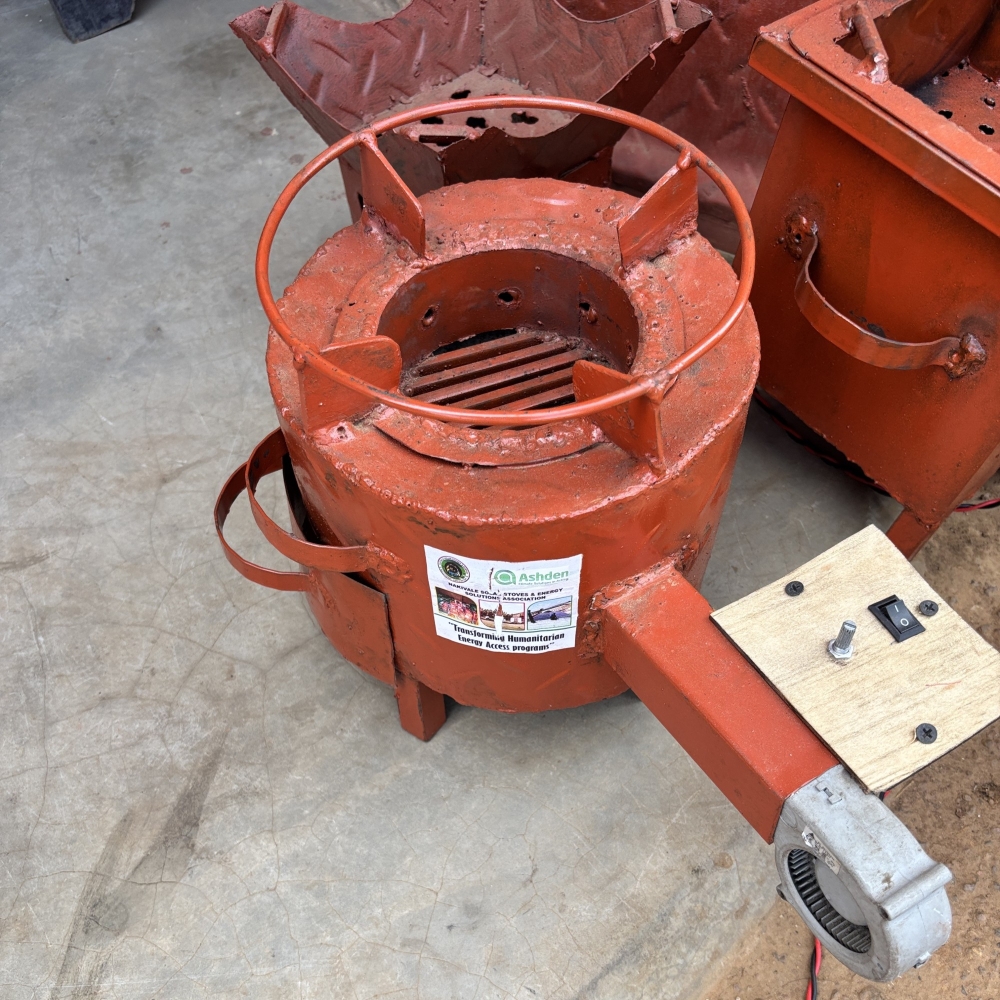
Most households in the settlements rely on firewood, charcoal, and three-stone fires for cooking, but refugee-led organisations are working to change this. Two groups, Live in Green (in Kyaka II) and Nakivale Solar Stoves & Energy Solutions, produce and sell fan-assisted improved cookstoves and briquettes and were financially supported by Ashden under the THEA Programme.
The groups offer an opportunity for refugee households to access cleaner cooking, alongside a modest range of improved cookstoves available in the local markets. They are well-organised, motivated, and strong advocates for their products and for local solutions for energy access. But their market potential is constrained by the costs of their stoves and the limited customer interest in using briquettes.
Targeted expert support would help these refugee-led organisations to innovate and scale their operations. Technical expertise could refine the design of stoves to make them more efficient, whilst business model analysis could identify which areas to focus on, pivot from, or invest in.
The customer is always right
People will purchase the energy products which best meet their needs and suit their budgets. The uptake of accessible solar home systems in the settlements reflects this, whilst cleaner cooking alternatives have struggled. However, limitations in the current market – such as the low availability of quality-verified solar products and attractiveness of cleaner cooking options – inhibit greater access to sustainable energy.
To overcome these barriers, stakeholders should support commercially viable interventions in local energy markets. Strengthening supply chains could enable retailers in the settlements to sell quality-verified solar products, expanding electricity options for households. Meanwhile, providing expert mentorship and technical assistance to refugee-led clean cooking organisations could help develop their operations and increase their market share.
Developing effective market systems takes time and targeted assistance. The Energy Access Scale Up Project (EASP) has had success in increasing the uptake of off-grid solar in refugee-hosting districts, but more work is needed to support clean cooking. Supporting local organisations, especially refugee-led businesses and cooperatives that sell and promote clean energy in the settlements, should be central to wider local-area energy and development plans.
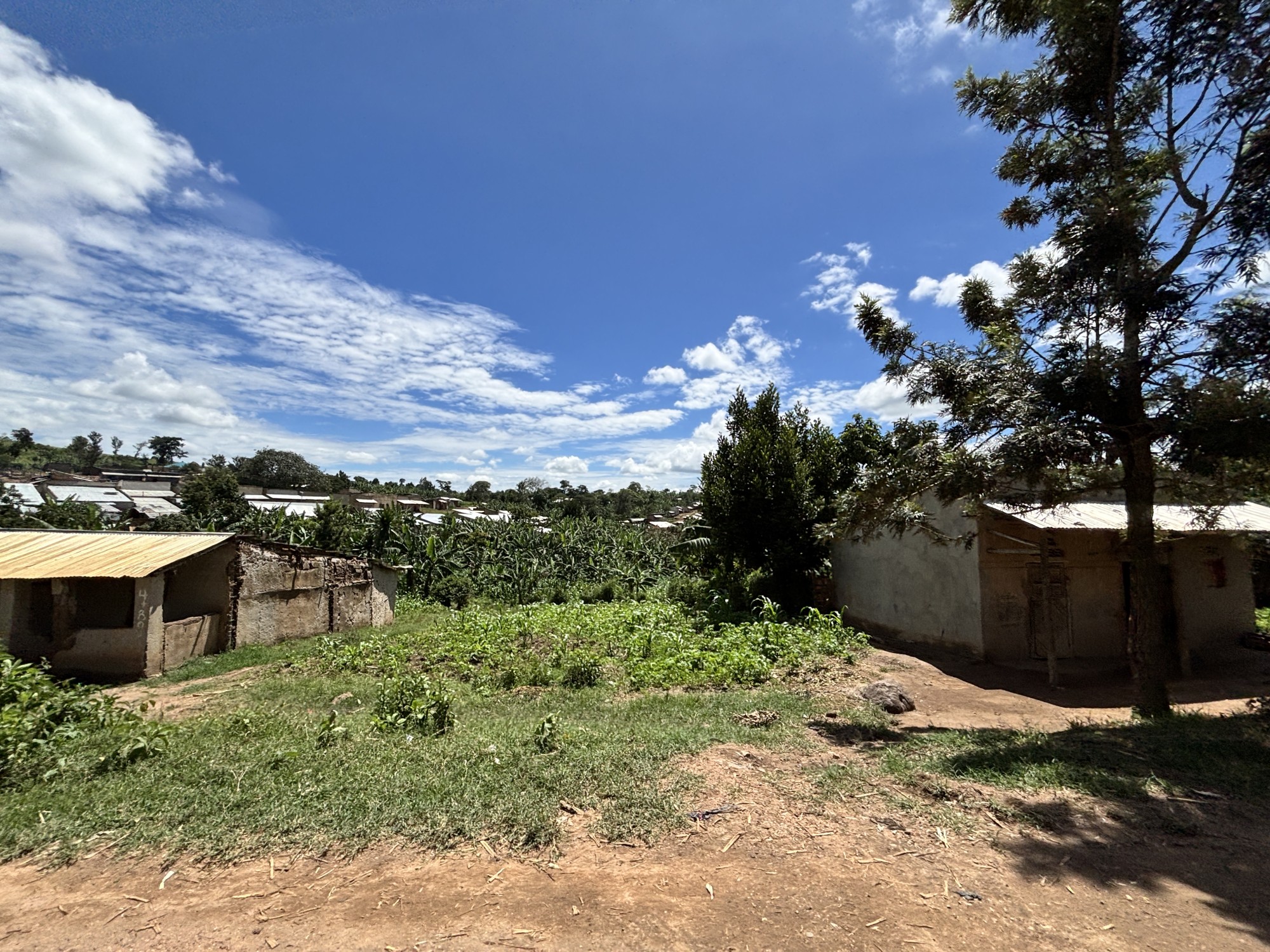
Rwamwanja Settlement. Credits: GPA/UNOPS
The Global Platform for Action (GPA) in Sustainable Energy in Displacement Settings is the global initiative accelerating SDG 7 in forced displacement and fragile contexts. The GPA Secretariat, hosted at UNOPS, is advised by key humanitarian and development organisations, and supported by the IKEA Foundation and the European Union’s Civil Protection and Humanitarian Aid Operations (DG ECHO), with in-kind support from NORCAP and the UK Foreign, Commonwealth & Development Office (FCDO) through the Transforming Energy Access (TEA) platform.
Last updated: 06/08/2026