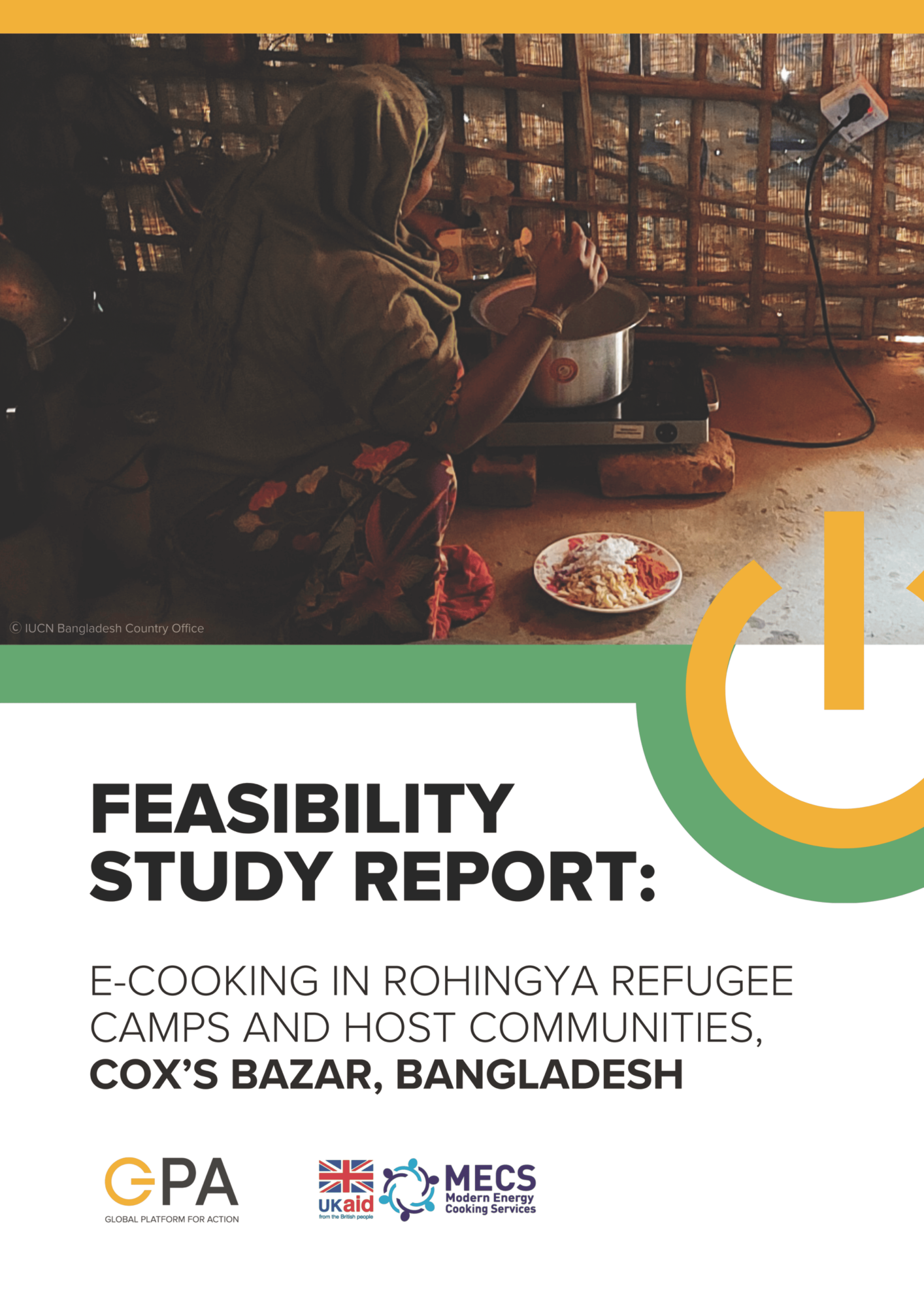
The feasibility study on solar-powered e-cooking systems in Cox’s Bazar reveals that while technical and financial metrics support its viability, other key factors/variables, such as lived experiences, social structures, and behavioural patterns of users, ultimately determine its success. This study integrates quantitative data with qualitative feedback, highlighting the critical importance of designing energy solutions that align with daily routines, cultural practices, and cooking responsibilities.
This e-cooking feasibility research was delivered by the Global Platform for Action on Sustainable Energy in Displacement Settings – United Nations Institute for Training and Research (GPA-UNITAR) and partners (IUCN and Practical Action) as part of its work to identify sustainable and scalable energy delivery models in humanitarian settings. The study was funded by the UK Foreign, Commonwealth and Development Office (FCDO) through the Modern Energy Cooking Services (MECS) programme.
Authors: Mr Estiaque Bari (East West University, on behalf of IUCN), Lehtem Buma Carine (GPA-UNITAR).
Files
Last updated: 12/12/2025